Japan Patent Office Rejects Nintendo’s Pokémon Patent Application After Unusual Legal Exchange
 By: Albert Michael - Thursday, 23 July 2026 15:34:22 • 4 min read
Beritaja.com- The Japan Patent Office (JPO) has officially rejected Nintendo and The Pokémon Company’s divisional patent application (No. 2026-019762), a filing related to an in-game monster-capturing system. The decision has attracted significant attention because the patent is connected to Nintendo’s ongoing legal dispute with Palworld developer Pocketpair.
Beyond the rejection itself, the case has generated widespread discussion in Japan due to the unusually direct language used by the JPO examiner when responding to Nintendo’s legal arguments. Legal experts and Japanese social media users have highlighted several passages from the official documents, describing the exchange as uncommon for standard patent examinations.
2013 Gameplay Video Played a Key Role
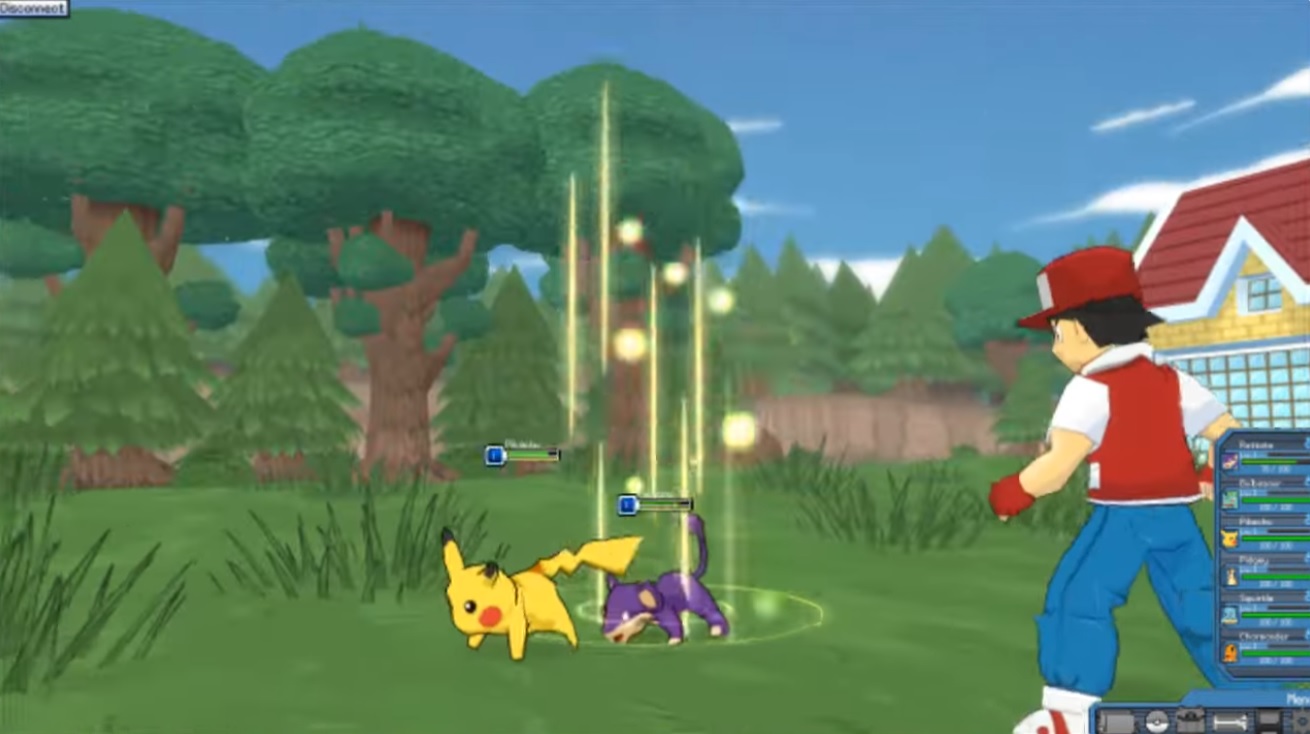
One of the central reasons behind the rejection was a YouTube gameplay video uploaded in 2013 featuring the unofficial fan-made game Pokémon Generations. According to the JPO, the video demonstrates gameplay mechanics similar to those claimed in Nintendo’s patent application, reducing the originality and inventive step required for patent approval.
The examiner specifically pointed to mechanics involving the selection and throwing of a Poké Ball to capture a creature, arguing that these concepts had already been publicly demonstrated years before the patent filing.
Nintendo Objected to the Use of an Unofficial Game
Nintendo strongly challenged the JPO’s reliance on footage from Pokémon Generations, arguing that the fan-made title infringed upon Nintendo’s intellectual property rights. The company claimed that the examiner improperly described an infringing work as though it were an officially authorized Pokémon product.
Throughout its response, Nintendo repeatedly argued that referencing copyrighted material in this manner was inappropriate and should not have been used as prior art during the patent examination process.
JPO Dismisses Copyright Concerns
In its final notice, the JPO rejected Nintendo’s argument, explaining that Japanese patent law evaluates inventive step independently of copyright issues. According to the examiner, whether a cited invention infringes copyright has no influence on determining whether the claimed invention is sufficiently original to receive patent protection.
The examiner also stated that interpreting the rejection notice as recognizing the fan-made game as an officially licensed Pokémon title was an unreasonable misunderstanding. Even if such confusion existed, it would not affect the legal assessment of the patent application.
Examiner Responds to Nintendo’s Naming Objections
Another point of disagreement involved Nintendo’s criticism of how the rejection notice referred to characters such as Ash, Pikachu, Bulbasaur, and Poké Balls. Nintendo argued that these names should instead have been described as characters or objects infringing upon Nintendo’s copyrights.
The examiner responded by explaining that adopting such terminology would unnecessarily complicate the document. Instead of using familiar character names, the notice would have needed lengthy descriptions such as "a small yellow animal" instead of Pikachu or "a spherical object with a red upper half and white lower half" instead of a Poké Ball.
According to the examiner, changing the wording would not alter the legal reasoning behind the rejection, making Nintendo’s objection irrelevant to determining inventive step.
Dispute Over the YouTube Evidence
Nintendo also argued that the cited YouTube footage was merely a video and therefore could not fully demonstrate the technical implementation of the claimed game mechanics.
The examiner considered two possible interpretations of Nintendo’s argument. The first was that Nintendo accepted the footage as genuine gameplay but believed video alone could not reveal the technical aspects of the software. The second was that Nintendo questioned whether the footage represented actual gameplay at all.
The JPO rejected both interpretations, noting that if the second assumption were true, it would require the uploader to have staged an elaborate fake gameplay demonstration, something the examiner described as highly implausible.
Patent Rejection Remains in Effect
After reviewing Nintendo’s objections, the JPO concluded that none of the arguments changed its original assessment. As a result, the divisional patent application remains rejected.
Nintendo still has the option to appeal by filing a petition for trial with the Commissioner of the Japan Patent Office within three months of the decision.
What This Means for the Palworld Lawsuit
Importantly, this rejection does not invalidate the patent currently being asserted against Pocketpair in the ongoing Palworld lawsuit before the Tokyo District Court.
Instead, the decision only concerns a separate divisional patent application within the same patent family. The litigation involving Palworld will continue independently, while Nintendo decides whether to challenge the JPO's latest ruling through the appeals process.


.jpg "Erika Carlina Akui Hamil 9 Bulan Tanpa Pernikahan, Trending Di Google: Kronologi Lengkap Dan Fakta Terbaru - Beritaja.com")
.jpg "Hukuman Disiplin: Tiga Siswa Sppi Dihukum Karena Tidak Senam Pagi - Beritaja.com")
.jpg "Lirik Lagu My Love Dan Terjemahannya (westlife) - Beritaja")
.jpg "Makna Lagu \"you Look Like You Love Me\" - Ella Langley: Kisah Cinta Yang Penuh Ilusi - Beritaja")